
How to Dress a Newborn in Warm and Cool Weather
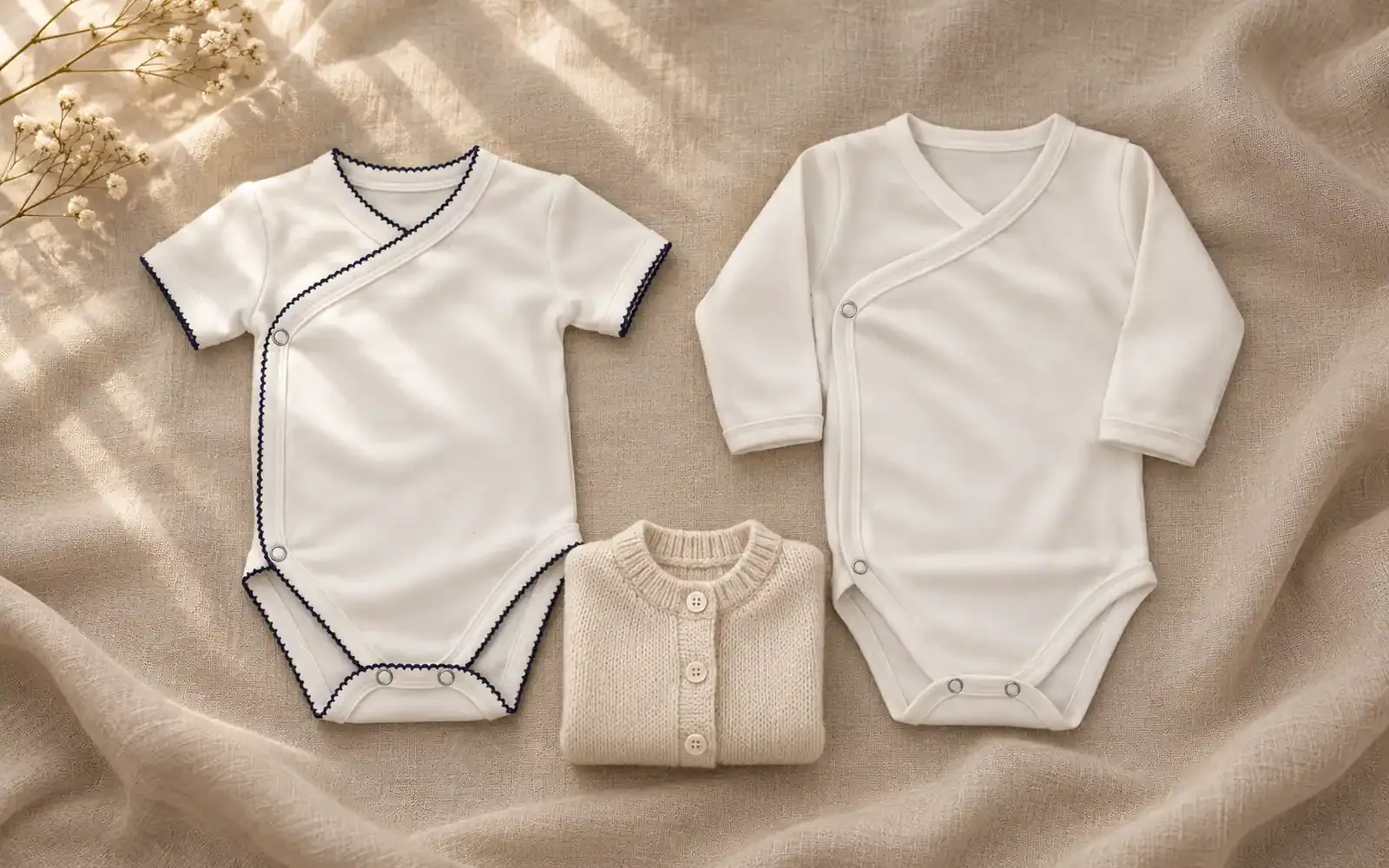
Dress your newborn for the temperature where they are. A lightweight short-sleeve bodysuit may be enough in a warm room. On a cool day, you might put a cotton one-piece over a bodysuit and add a light cardigan for the walk outside. Take off the hat and extra layers when you come indoors or get into a warm car.
How many layers should a newborn wear?
In cool conditions, start with what you would wear to feel comfortable in the same place, then consider adding up to one light layer for your baby. In hot weather, that extra layer may be unnecessary. Wind, humidity, direct sun and a move indoors can all change what your baby needs.
Feel your baby’s chest or the back of their neck. If the skin feels hot or sweaty, take off a layer and check again. If their chest feels cool, add a light layer. Hands and feet often feel cooler than the chest. If your baby was born early or had a low birth weight, follow the advice from your discharge team on clothing and temperature checks. See the NHS guide to dressing a newborn and The Lullaby Trust’s advice on checking your baby’s warmth.
Spring and autumn (fall) layers
On a day that starts chilly and warms up by noon, try a light bodysuit under a front-opening one-piece, often called a sleepsuit in the UK or a sleeper in the US. Take a thin cardigan for a chilly or windy walk. Once you’re in a warm room, take the cardigan off first and check your baby before changing any other layers.
Summer clothing and shade
In a hot room, a lightweight cotton bodysuit with short sleeves may be all your baby needs. If you move into an air-conditioned room, check their chest before adding lightweight bottoms or a thin one-piece.
Keep babies under six months out of direct sunlight. Stay in the shade and use light clothing that covers the skin and a wide-brimmed sun hat as needed. Keep air circulating around your baby in the stroller or pram. Use a suitable sunshade and keep muslin, blankets and other covers that block airflow off the opening. See the NHS guidance on sun safety for babies.
Winter clothing at home, outside and in the car
In a cool room, start with a long-sleeve bodysuit and a one-piece. For a cold outing, add a removable warm outer layer and a hat as needed. Add socks if the outfit leaves the feet uncovered. Once you’re back indoors, take off the hat and outer layer and check your baby’s chest.
Keep padded coats and snowsuits out from under the car seat harness. Buckle your baby in thin layers and tighten the harness according to the car seat manual. If they need more warmth, put a blanket over the fastened straps, keep their face clear and remove the blanket once the car warms up. See the American Academy of Pediatrics’ winter car seat advice.
Dress for the room at sleep time
Take off outdoor layers and hats before sleep. A light bodysuit may be enough in a warm room. If you use a sleep sack or baby sleeping bag, choose an unweighted one that fits your baby and meets the manufacturer’s size and weight guidance. Use the room temperature and the product’s TOG (warmth rating) guide to choose what goes underneath. Keep loose blankets and pillows out of the sleep space. See the American Academy of Pediatrics’ safe sleep guidance.
Two outfits from The Babiest
- For a warm room that cools down. Start with the Organic Crochet-Trimmed Short-Sleeve Wrap Bodysuit. If the room cools and your baby’s chest feels cool, add the Organic Footed Pants (footed trousers).
- For a cool day with time indoors. Layer the Organic Front-Snap Footie with Pockets over the Organic Long-Sleeve Wrap Bodysuit. When you come into a warmer room, check your baby and remove a layer as needed.
For more pieces like these, browse baby clothing from The Babiest. If you’re dressing your baby for the trip home from the hospital, use our newborn going-home outfit checklist to plan what to pack for that day.
